
Please read first. This guide is general information, not legal advice. The requirements for marrying in Spain depend on your nationality, where you live, your marital status and other circumstances, and they can change. Always check with the official authorities listed below, or a qualified lawyer, before you book anything.
Spain is one of the most loved places in the world to celebrate a wedding: warm light, long dinners, olive groves, coves and old city courtyards. If you are an international couple, or you already live here, the first thing to understand is that a wedding “in Spain” can mean three quite different things.
Three kinds of wedding in Spain
The ceremony you choose changes the paperwork, the timeline and even where you can hold it. Here they are side by side.
| Topic | Legal civil marriage | Religious ceremony | Symbolic celebration |
|---|---|---|---|
| What it is | A wedding that creates a legally recognized marriage, in front of an authorized official. | A ceremony led by a religious minister. In some cases it can also have legal effect. | A personal celebration with your own words, vows and celebrant. No official paperwork. |
| Legal effect in Spain | Yes, once the official requirements are met and the marriage is registered. | Depends on the faith and on following the rules for civil effect. | None on its own. |
| Paperwork | Yes. An official file and documents, which vary by nationality and circumstances. | Yes. Faith paperwork, and sometimes civil paperwork too. | None for the ceremony itself. |
| Who leads it | An authorized official, such as a civil registry official, a notary, or a mayor or councillor, depending on the route. | A minister or authority of the faith. | Anyone you choose: a friend, a celebrant, a family member. |
| Where it can happen | Often at a town hall, a registry or a notary’s office. Some officials will marry couples at other approved places. Ask early. | At a place of worship, or somewhere the faith allows. | Anywhere you have permission to use: a finca, a beach, a garden, a rooftop. |
| Best for | Couples who want to be legally married in Spain. | Couples for whom a faith ceremony matters. | Couples who want freedom over place, time and words. |
Legally marrying in Spain
A legal civil marriage is the only route that, on its own, creates a legally recognized marriage in Spain. It is led by an authorized official and recorded in the civil registry. In general terms, you can expect the following, but please confirm every step with the authorities, because the details depend on who you are:
- An official file. The process usually starts with an application to the civil registry connected to where one of you lives, or another route set by the rules.
- Documents. Authorities typically ask for proof of identity, birth certificates and proof of marital status, and sometimes proof of residence. Documents issued abroad may need an apostille or legalization and an official translation into Spanish.
- Time. Processing times vary from office to office and by case. Start well before you book venues and flights.
- The ceremony and registration. After the ceremony, the marriage is registered and you receive proof of it.
- Recognition at home. Ask your embassy or consulate, or a lawyer, how a marriage celebrated in Spain is recognized and registered in your home country.
Symbolic celebrations
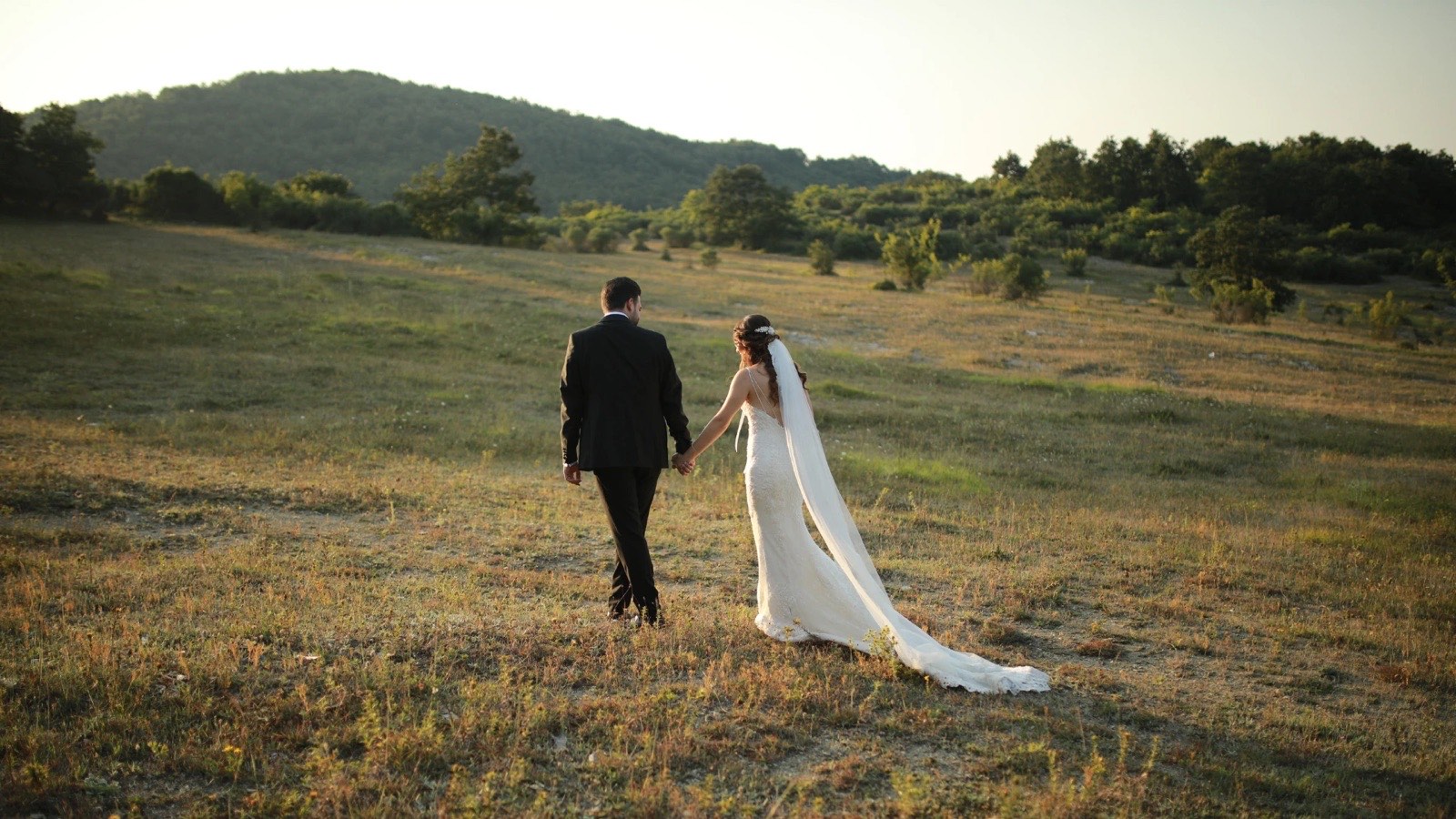
A symbolic ceremony celebrates your commitment but has no legal effect. You choose the place, the words and the celebrant, and there is no official paperwork for the ceremony itself.
Many international couples marry legally at home, or at a registry office before the trip, and hold a symbolic ceremony in Spain with their families and friends. It can be the simplest way to have the day you imagine without the legal process shaping your plans. One thing to decide together: your legal wedding date is the one on your marriage certificate, so think about which day you will treat as your anniversary.
Religious ceremonies
Some faiths hold ceremonies in Spain that can also have legal effect, if both the religious and the civil requirements are met. Others do not. If a faith ceremony matters to you, speak to the relevant religious authority first, and ask them what is needed for it to be recognized, if that is important to you.
Which one is right for you?
These questions help most couples decide:
- Do we want to be legally married in Spain, or are we already married or planning to marry at home?
- How much time do we have before the date, and how flexible can it be?
- Does a religious or cultural tradition need to be part of the ceremony?
- Where do our guests live, and how easy is it for them to travel?
- How much freedom do we want over the place, the words and the schedule?
Who to ask for legal advice
Requirements depend on your nationality and circumstances, so please get advice from the people who decide them. Good starting points are:
- The civil registry (Registro Civil) that handles marriage files, and the Spanish Ministry of Justice, for how to apply and which documents are needed.
- A notary, who in Spain can also celebrate marriages. See the Spanish notaries’ website.
- Your embassy or consulate in Spain, for documents from your country and recognition at home.
- The town hall (ayuntamiento) of the place you would like to marry, for local arrangements.
- The religious authority, if you want a faith ceremony.
- A lawyer who specializes in international family law, if your situation is complex.
Planning your wedding around it
- Decide the kind of ceremony you want: legal, religious, symbolic, or a mix.
- Confirm the legal route with the authorities, and write down the documents and the timeline they give you.
- Choose your destination and a flexible date that works with official appointments.
- Book the venue and key suppliers once your date is realistic.
- Plan guest travel: accommodation, transport and the shape of the wedding weekend.
- Design the details: styling, flowers, tables, lighting.
- Confirm everything in writing, in both languages where needed, in the final weeks.
How entre.mesa can help
We are event stylists and planners, not a law firm, and we do not give legal advice. What we do is make the rest easy: we plan around your official appointments, coordinate venues and suppliers in Spanish, recommend venues and places to stay, organize guest transport and the wedding weekend, and style the day so it feels like you. We are happy to work alongside your lawyer or the authorities, and we have experience with multicultural weddings.
Common questions
Do we need to live in Spain to marry here?
It depends on the route you choose and on your nationality and circumstances. Ask the civil registry, a notary or your embassy or consulate before you set a date.
Is a symbolic ceremony less meaningful?
Not at all. It is simply a different thing. It has no legal effect, but it can be as personal and moving as you want, and many couples choose it so that their families can be part of a day in Spain.
Will our marriage be recognized in our home country?
That depends on your country’s rules. Check with your embassy or consulate, or a lawyer, how a marriage celebrated in Spain is recognized and registered at home.