A note. This guide is general information to help you plan. Rules, permits and availability vary by place and change, so always confirm the details with your venue, the local town hall and the relevant authorities. It is not legal, tax or financial advice.
Why a weekend works
When guests fly in, a single evening can feel like a lot of effort for very little time together. A wedding weekend gives everyone space to arrive, relax and actually spend time with you. It also makes the trip worth the journey, and it spreads the cost of travel over more than one celebration.
Tell guests early
International guests need time to book flights, take time off and arrange childcare. Send save-the-dates as soon as you have a place and a rough date, then follow up with a clear information page once the details are set. Include:
- The dates and the place, with the nearest airports.
- Where to stay, with a couple of price ranges.
- How to get around, and what you will arrange for them.
- What the weekend involves, and the dress code.
- A friendly reminder to check their own entry requirements and passport validity, since these differ by nationality.
Travel, transfers and where to stay
The easiest weekends are the ones where guests do not have to work anything out:
- Accommodation. Recommend a few places in different budgets, close to each other. Ask hotels or villas about group arrangements, and agree the terms in writing.
- Transfers. Coordinate shuttles or minibuses from the airport and between the venue and the hotel. For rural venues this matters a great deal.
- Late nights. Plan the ride home, not just the way there.
- Everyone’s needs. Think about guests with children, older relatives and anyone who needs step-free access.
A sample weekend
- Friday: welcome. A relaxed evening drinks or dinner, so everyone can meet.
- Saturday daytime: free time, or an optional activity, and getting ready.
- Saturday evening: the wedding. Ceremony, dinner and dancing.
- Sunday: farewell. A slow brunch or lunch to say goodbye.
Language and welcome details
If your guests speak several languages, small touches make a big difference:
- Bilingual programs, menus and signs, in English and Spanish, and any other language that matters.
- A welcome note and schedule in each room, with phone numbers and the address of the venue.
- A short welcome bag with water, snacks, a map and the weekend plan.
- Someone who can translate speeches or announcements if needed.
- Clear information about food, so that dietary and religious needs are covered.
Spanish habits to plan around
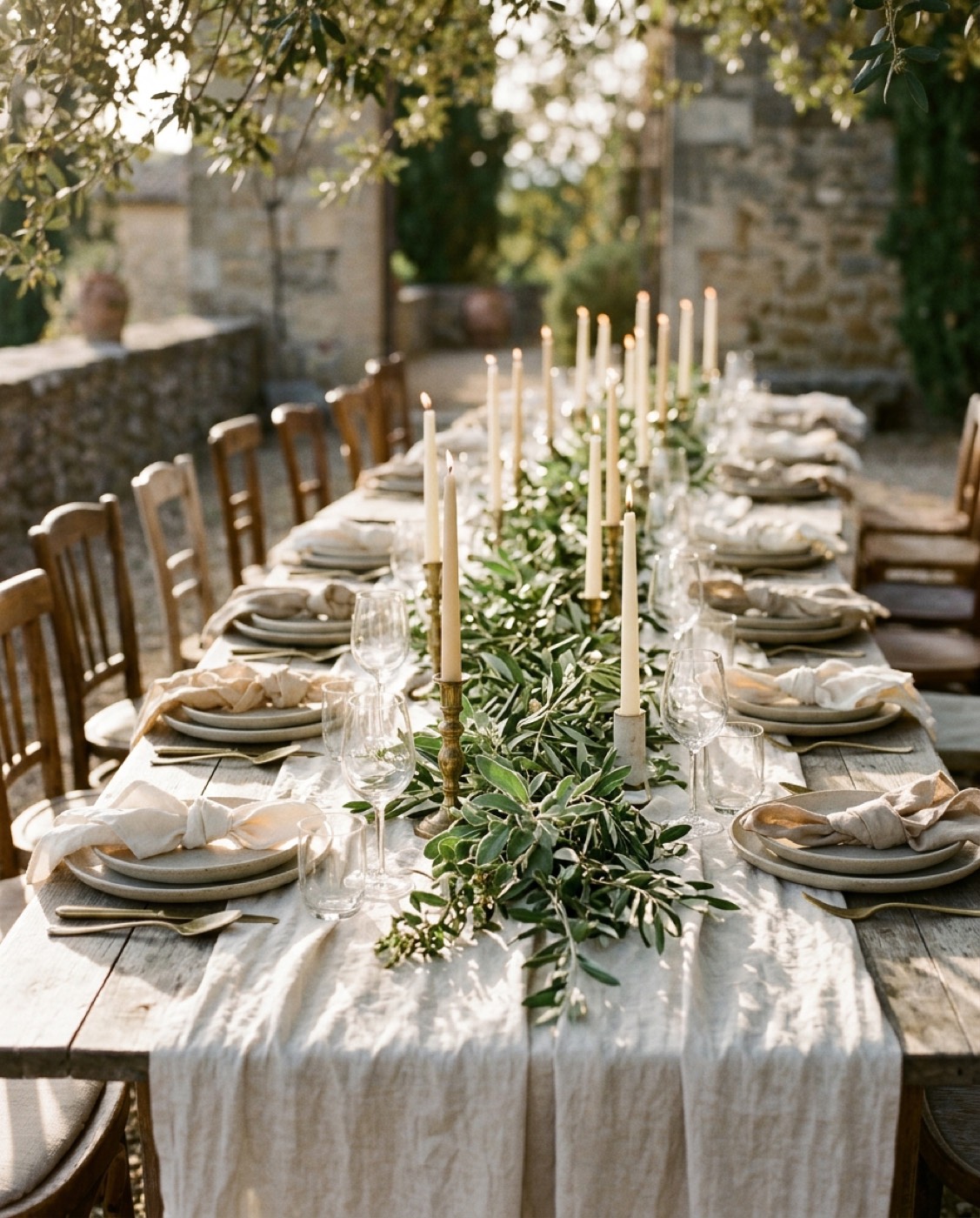
Part of the charm of Spain is its rhythm. Dinner is often late, evenings are long and the middle of the day can be very hot in summer. Tell guests what to expect, schedule outdoor moments for the cooler parts of the day, and make sure there is shade, water and somewhere to sit. It also helps to remember that local holidays and festivals can affect availability and traffic.
A guest-care checklist
- Save the dates sent early and an information page that is easy to find.
- A short list of places to stay, with different budgets.
- Airport transfers and a plan for getting back late at night.
- Bilingual materials and a clear schedule.
- Food options for every guest.
- A plan B for the weather, and shade and water for hot days.
- A named contact for questions, on the day and before.
How entre.mesa can help
This is where we are at our best. We coordinate suppliers in Spanish, recommend venues and places to stay, organize guest transport and the weekend schedule, and style each moment. You can keep everything in English with us, and we will make sure your guests feel welcome in whichever language they speak.
Common questions
How many days should a wedding weekend last?
Two to three days is common: a welcome gathering, the wedding itself and a farewell brunch. You can make it shorter or longer to suit your guests and your budget.
Who pays for guests’ travel and accommodation?
Usually guests pay for their own, and the hosts help with recommendations and transfers. It is your decision, so it is worth being clear about it in your information page.
How do we handle many languages?
Provide key information in two languages, find someone to translate speeches, and keep signs and menus simple and visual.
What if it rains?
Always have a plan B you like, such as a covered or indoor space. Ask your venue what it can offer, and decide on a cut-off time to make the call.